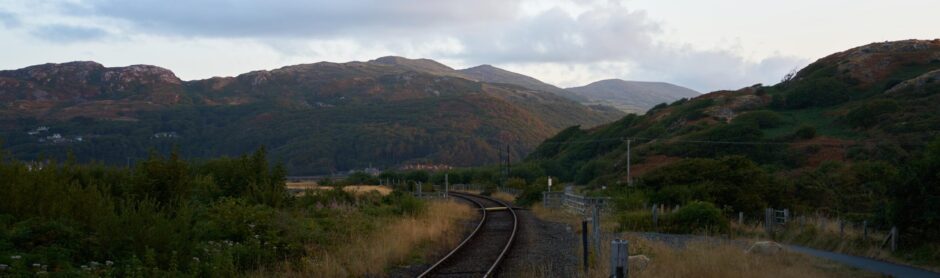

It’s the eleventh month – a time to look back. We remember the eleventh hour of the eleventh day because it’s embedded in our national culture, but we are forgetting to remember the fifth of November. Perhaps it is right that we should not celebrate the burning alive of a man whose greatest crime was to be a Catholic (blowing up parliament doesn’t look so bad these days!) but could we not remember still the joy of coming together among the fallen leaves, around a great fire, lighting a sparkler or a banger or a Catherine Wheel and eating parkin or toffee apples?
How many of us give a thought to All Hallows Day now that it has been supplanted by that imported celebration of all things plastic on the day before?
On a clear afternoon I went to explore again a place which, like so many similar ones across Wales, is another part of our culture we are forgetting: the lead mine at Rhandirmwyn. The village name means roughly “division of the mineral land.” It was just one of hundreds of small mines working tin, copper, gold and lead all over mid and north Wales. Here are a few others I went to explore back in September.


Thousands of men worked these adits lodes and levels and hundreds died in them or were poisoned by them, but who remembers them?
I particularly wanted to see our local mine again because it is under threat from a planning application which would turn it into a bike park.


Walking alone up the stony track as the sun dipped behind the hills I was moved by the stark beauty of it, a beauty which comes from being forgotten, because yes, there is a great benefit to any patch of land, its plants and creatures, when we humans lose interest. We the great despoilers blasted our way into this hillside, pulled out thousands of tons of lead and tin and a million tons of waste which we dumped in great piles beside the nant -the stream which still runs clear and lifeless down to the Towy. It is a place now where things are abandoned. Look at those little patches of land, in the next picture,bounded by ridges. Were they fields?


A hundred years of rain and wind on those spoil heaps have still not made them fertile, but some rare and special plants, lichens and fungi are slowly colonising this hostile land and with them come rare insects and birds.


So walking through the heather and rough grass and shale and seeing the slow decay of that once beautiful building (top) set against the slow regeneration of the natural world around it is a very special experience. I’m holding contradictions together in this coppery light, as with the contradiction between Gunpowder, Treason and Plot and the simple pleasures of Bonfire Night, or the modern plastic “frights” of Halloween with the real burning of eccentric women in 17th century Salem USA where the modern Halloween has its roots.
Soon no doubt big money will win again and this fragile place will be lost. Go and see it while you still can.
While you still can indeed!
That thing they call process is full on marching toward these beautiful places. 🙁