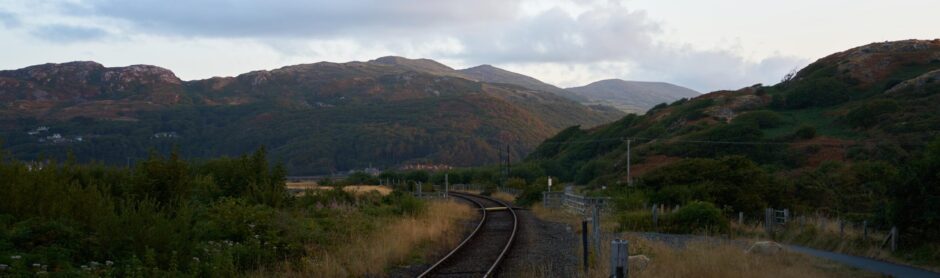
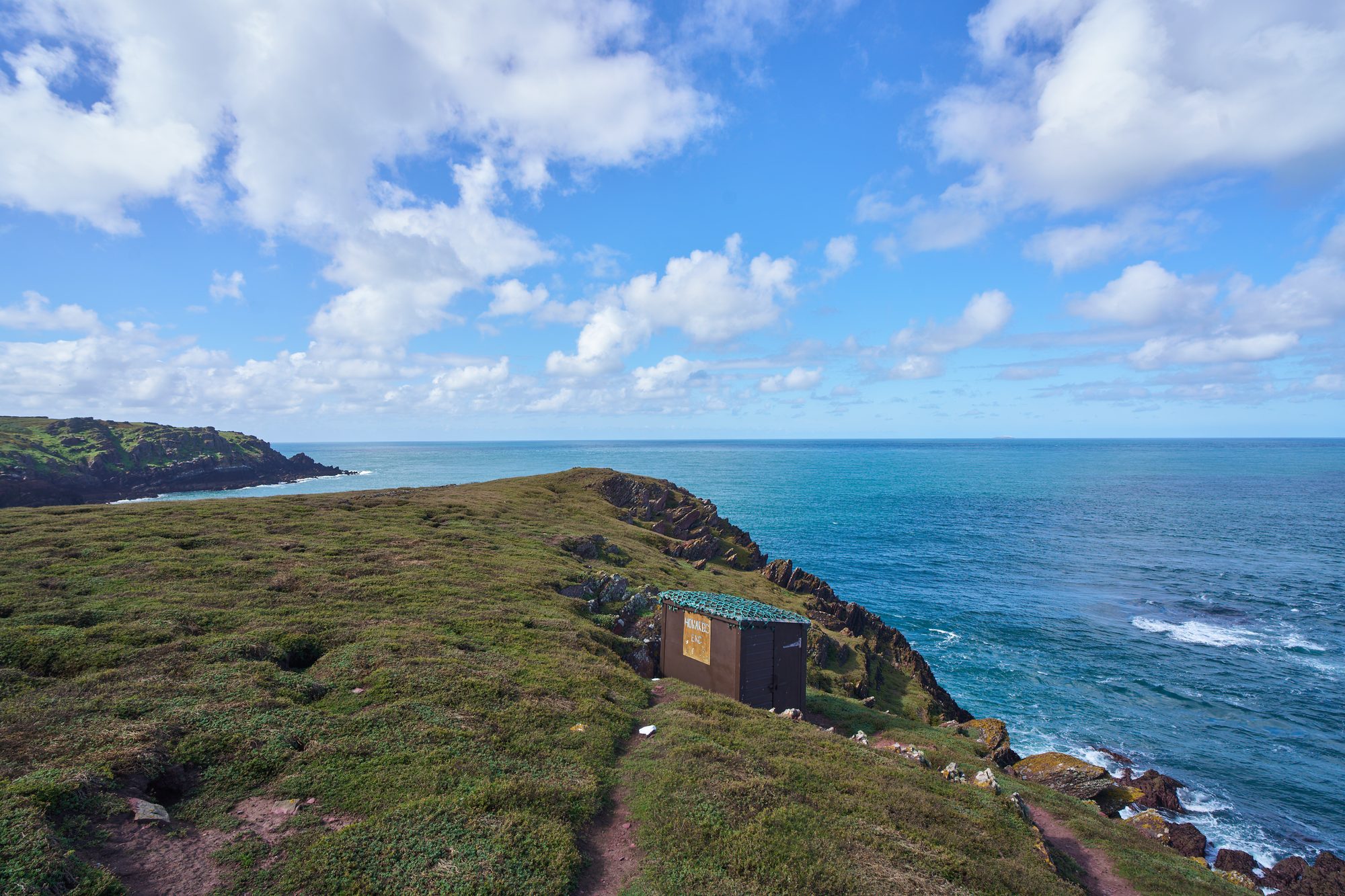
Imagine a small town of 50,000 citizens all crowded together underground, each couple with a space the size of a single bedroom. Every evening the adults leave their children and go out into the big world to look for food. It’s not safe for them to be above ground in the daylight so they return before dawn. Injury, old age, mistakes – they are all fatal and their bodies are left to rot on the ground above them. As soon as the children are old enough the whole town leaves for their winter residence further south.
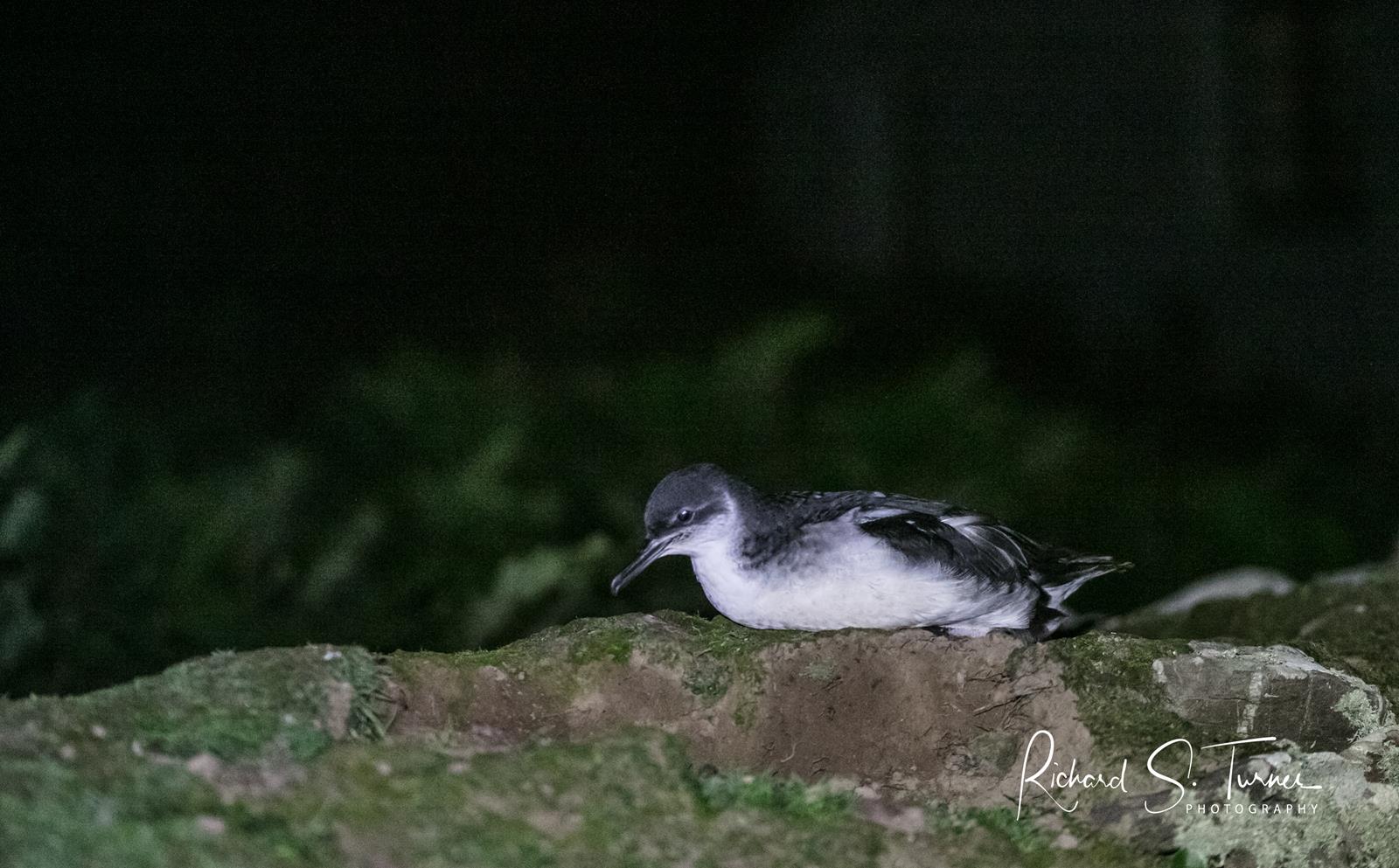
This is the world of the Manx Shearwater a strange ocean bird which is very clumsy on land so lives at sea during the day and returns to its nest burrows with eerie mournful cries at night. There is around 15% of the world population here on Skokholm Island and another 50% on Skomer two of the islands off Pembrokeshire coast. Most of the island is riddled, pocked with burrows – dug by rabbits as well – and at night the young birds come out and sit on the wall by the Farm House, not quite ready to make the ungainly effort to fly.
I came across a poignant example of the hard ways of Nature. There is one small shallow pond with water and in the middle of it was an adult Manxie, moving around. Occasionally it would raise its wings as if to fly but the feathers were water logged. On land they can only shuffle along and in daylight are in great danger from birds of prey and the bigger gulls. I felt so sorry for this little creature with its dark eyes. Surely it could be rescued, dried out and released to fly again?
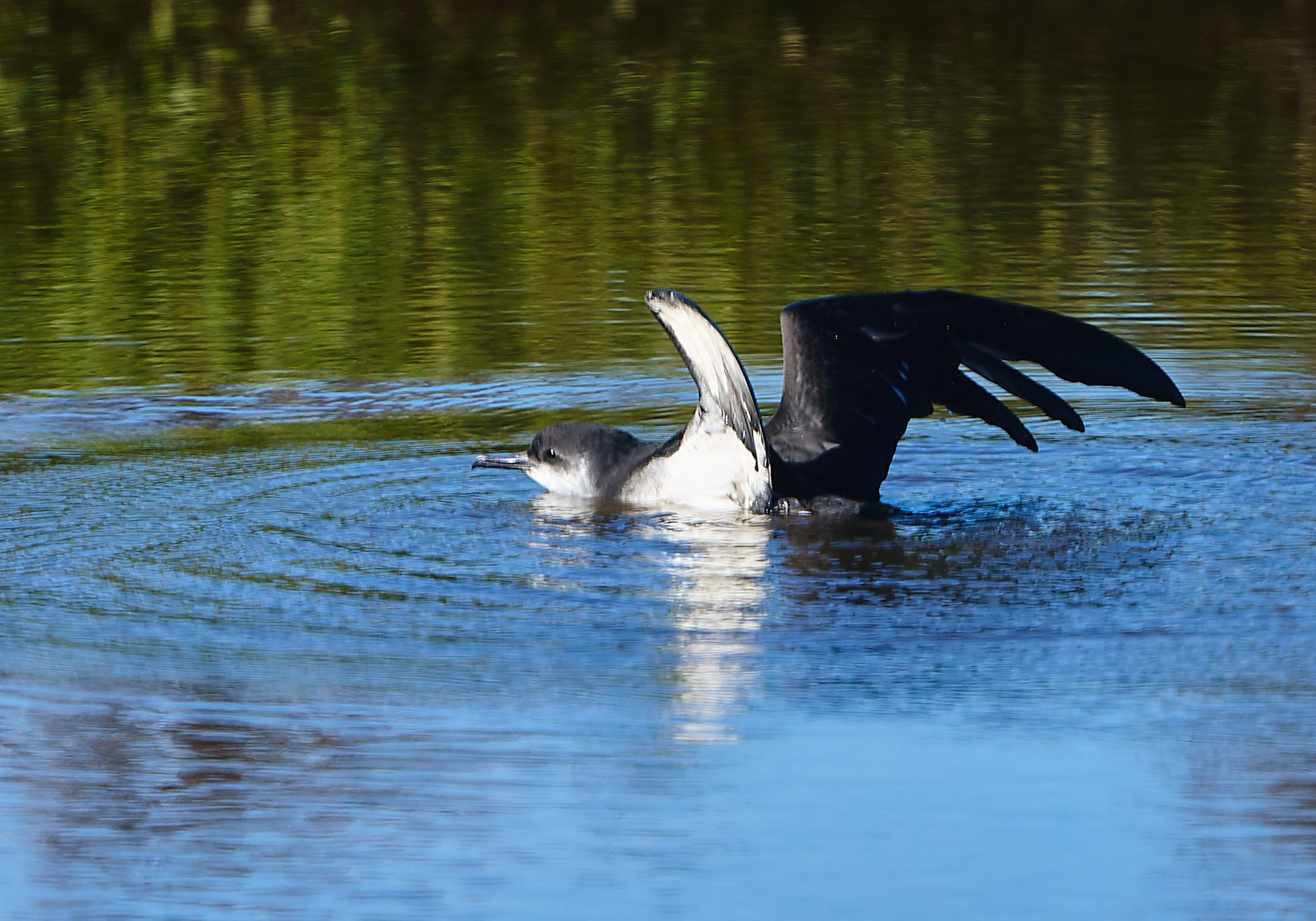
No. This one is at the end of its life. To intervene is pointless. The people on the island are not here to help individuals. Their concern is with the species and its ecosystem. This suggests that the only reason we have so many rescue centres for individual birds and animals is that we look at them and see our children.
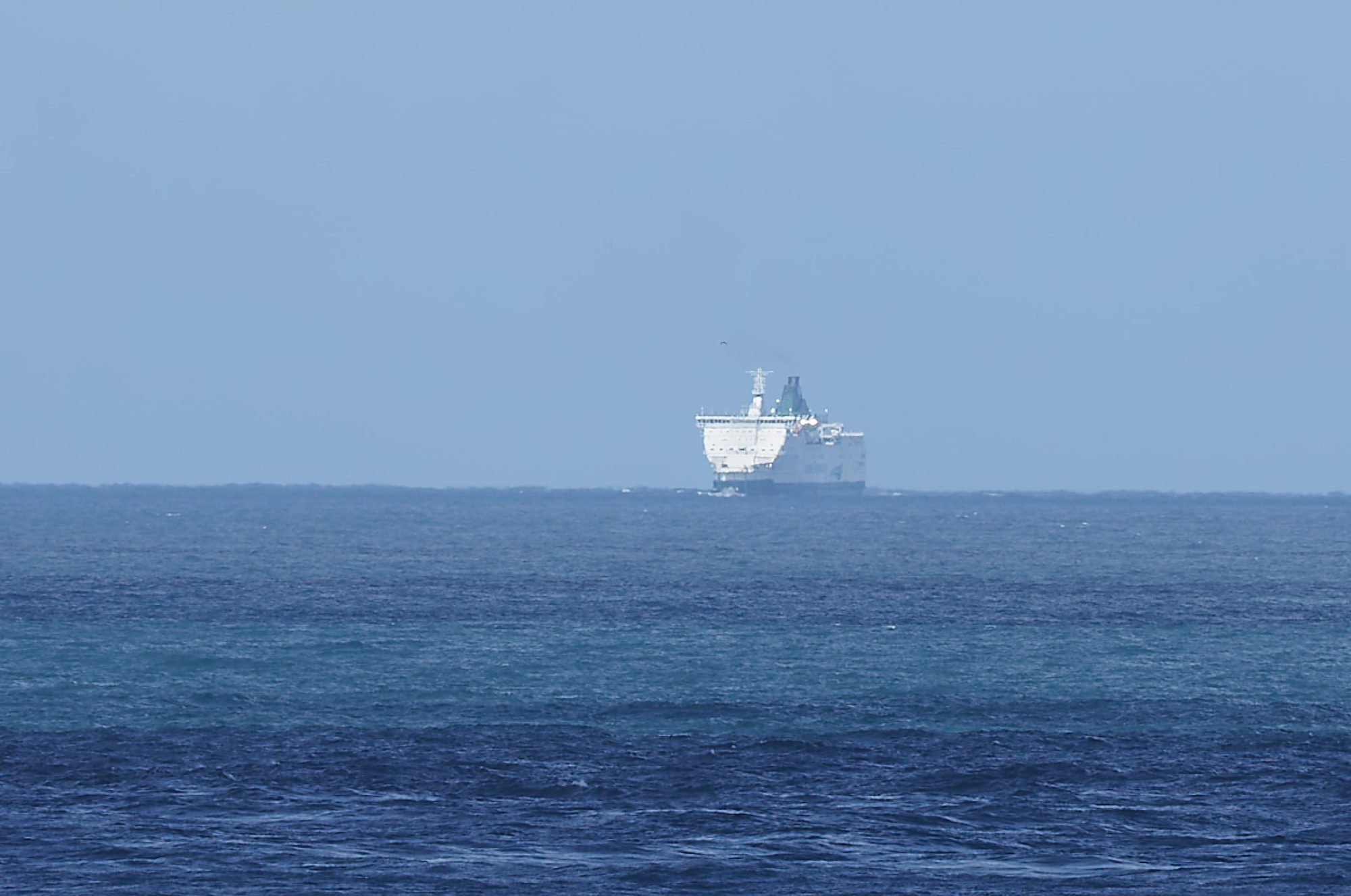
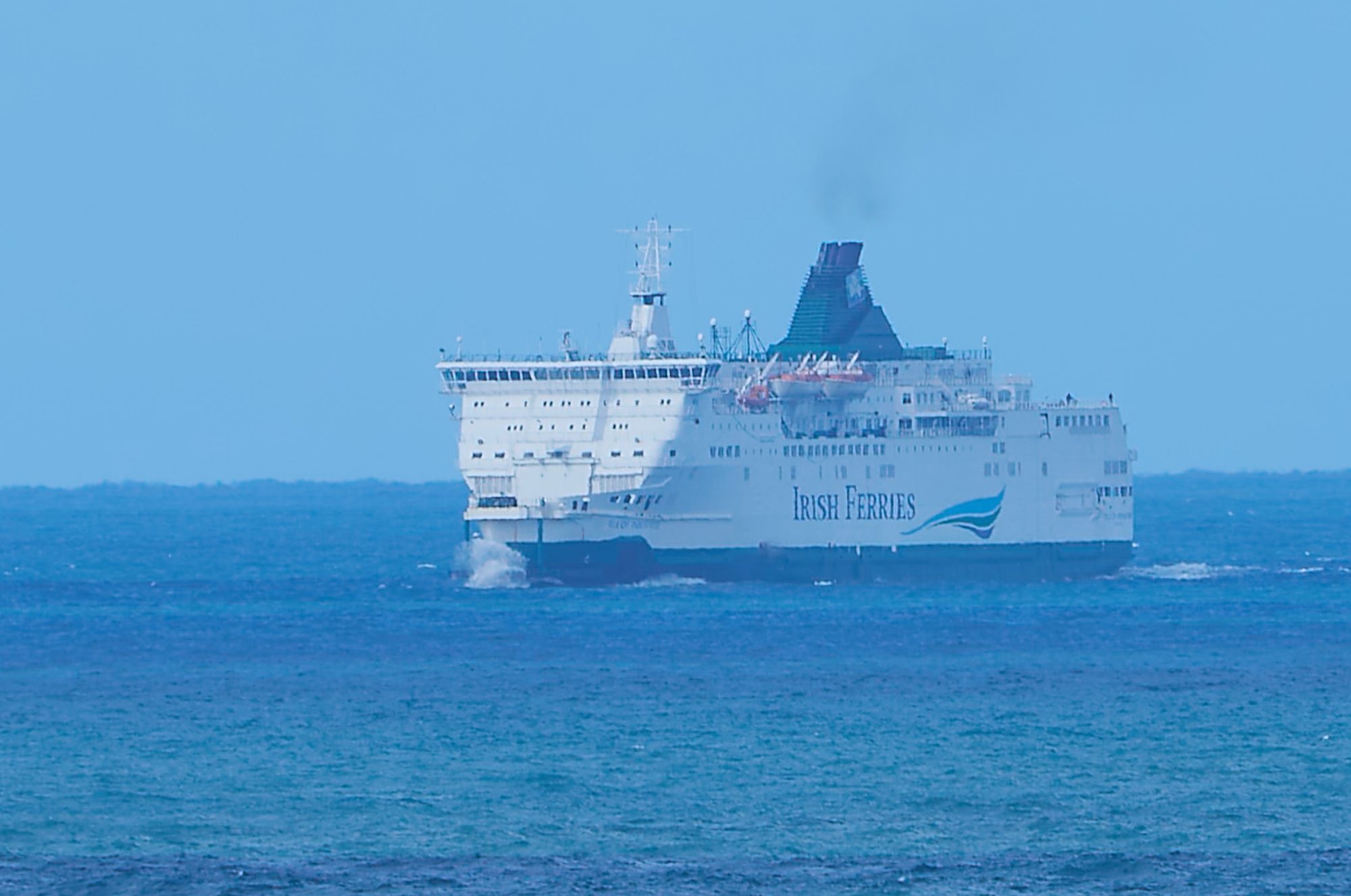
Now, in early September, the island seems to have given up for the year but the wind will not let it decline in peace. It comes from the north-west and flicks up the sea into a froth of small waves, sunlit and empty of birds, dolphins and ships – except the ferry from Rosslare to Pembroke which slowly grows in size as I watch from one of the bird hides I clamber into to get out of the wind. It’s hard to think of another reason to sit watching the empty cliffs and the ruffled sea. No, there is another reason: watching moving water. It’s good for the soul.
Since my last visit four years ago this late summer season has changed to autumn. The summer heat has had a similar effect on the plants as four years of ageing has had on me. They have gone to seed early; I have simply gone to seed. They will regenerate, I will not. This fraying edge of summer has again pushed me to acknowledge the fraying of my own edges, the way that the names of people and places dissolve and reform only to dissolve again. I turn away from the thrill of the steep cliff path, my body edging away from challenge. Strange new pains divert my ambitions.
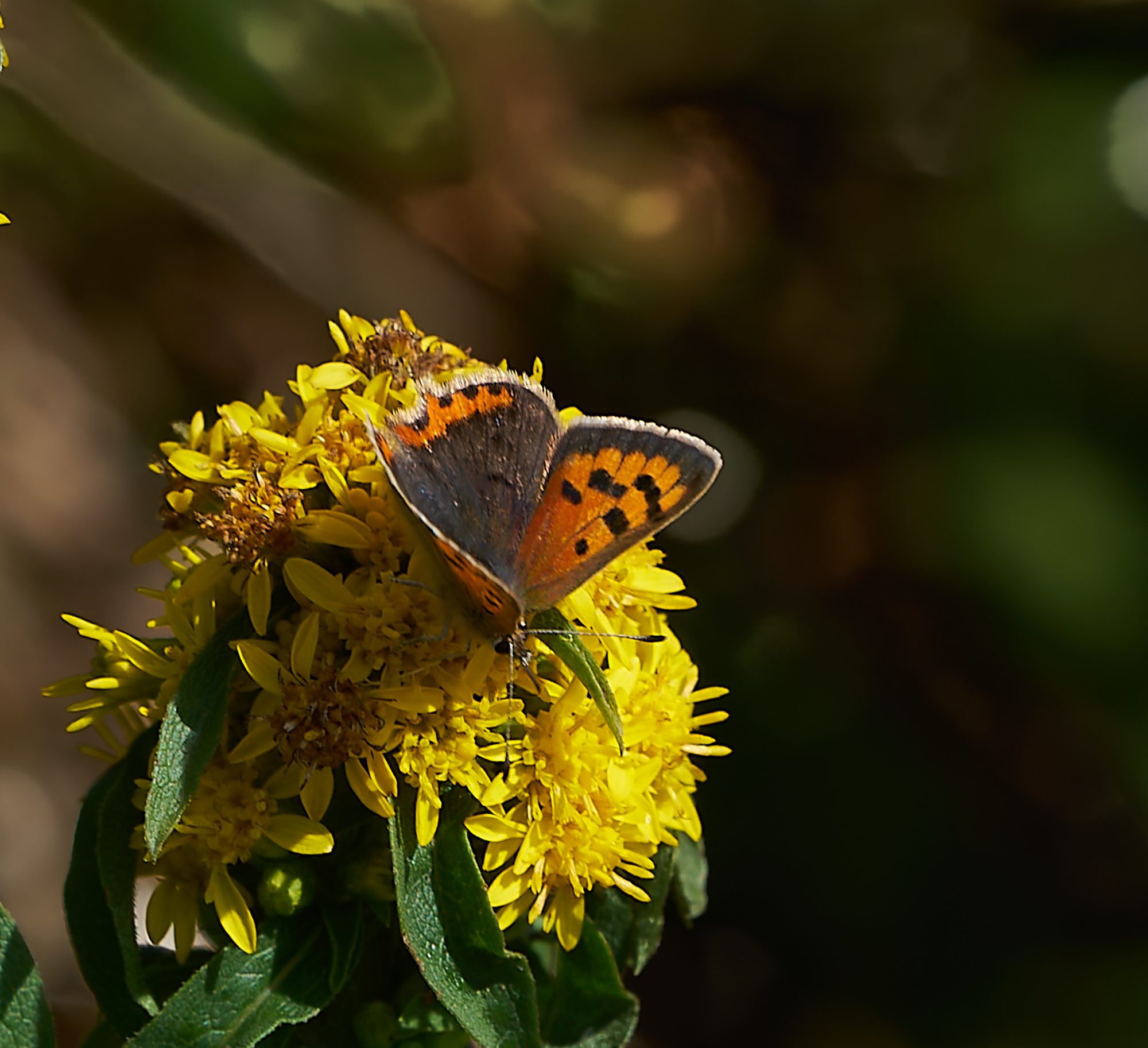
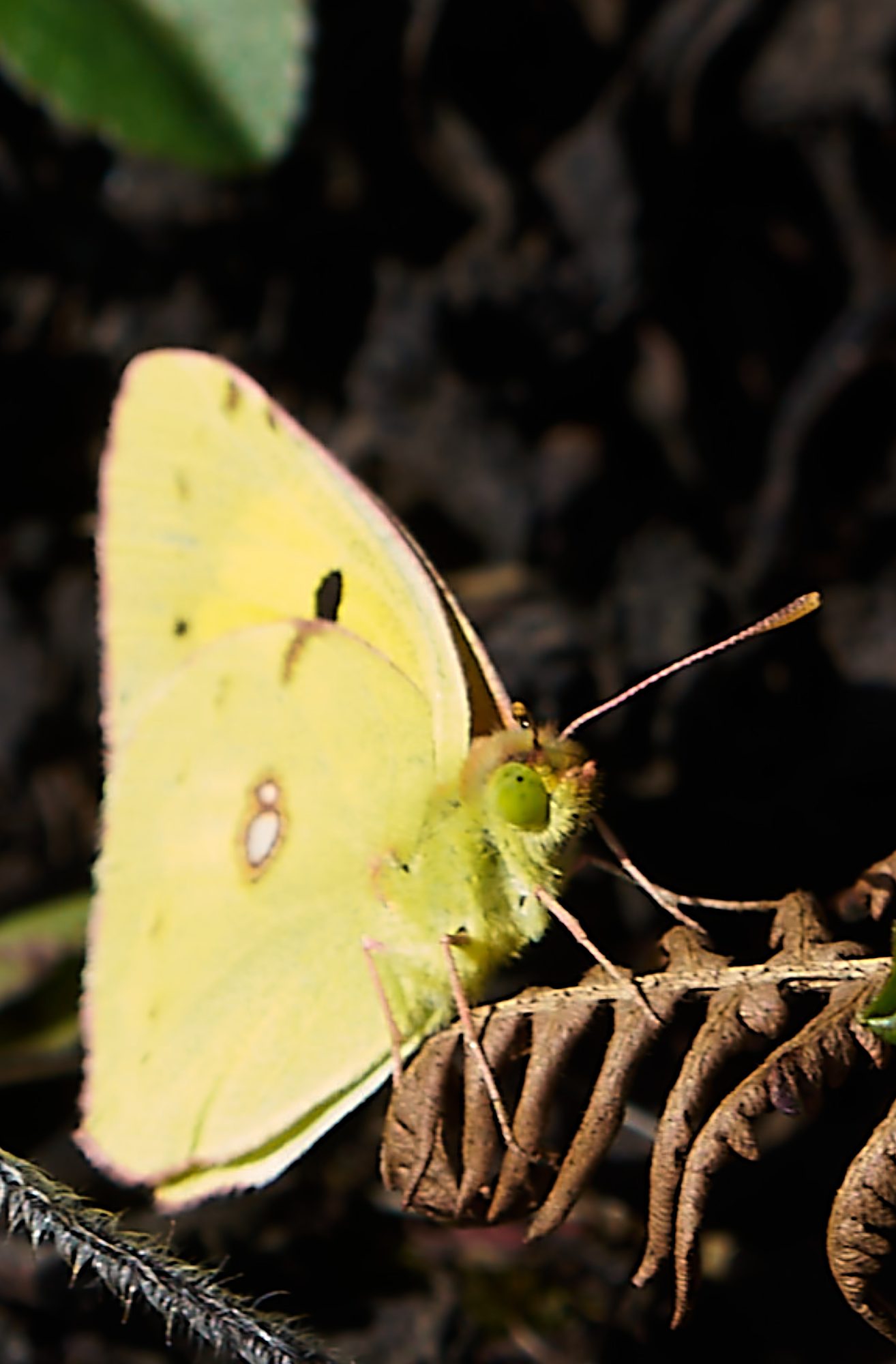
Amongst the dying bracken, flitting among the last few flowers of golden rod and ragwort are a small host of tiny vivid butterflies – Small Coppers – and here too are the much larger and more fabulously named Painted Ladies and Clouded Yellows. Both are species which have migrated here over two or more generations.
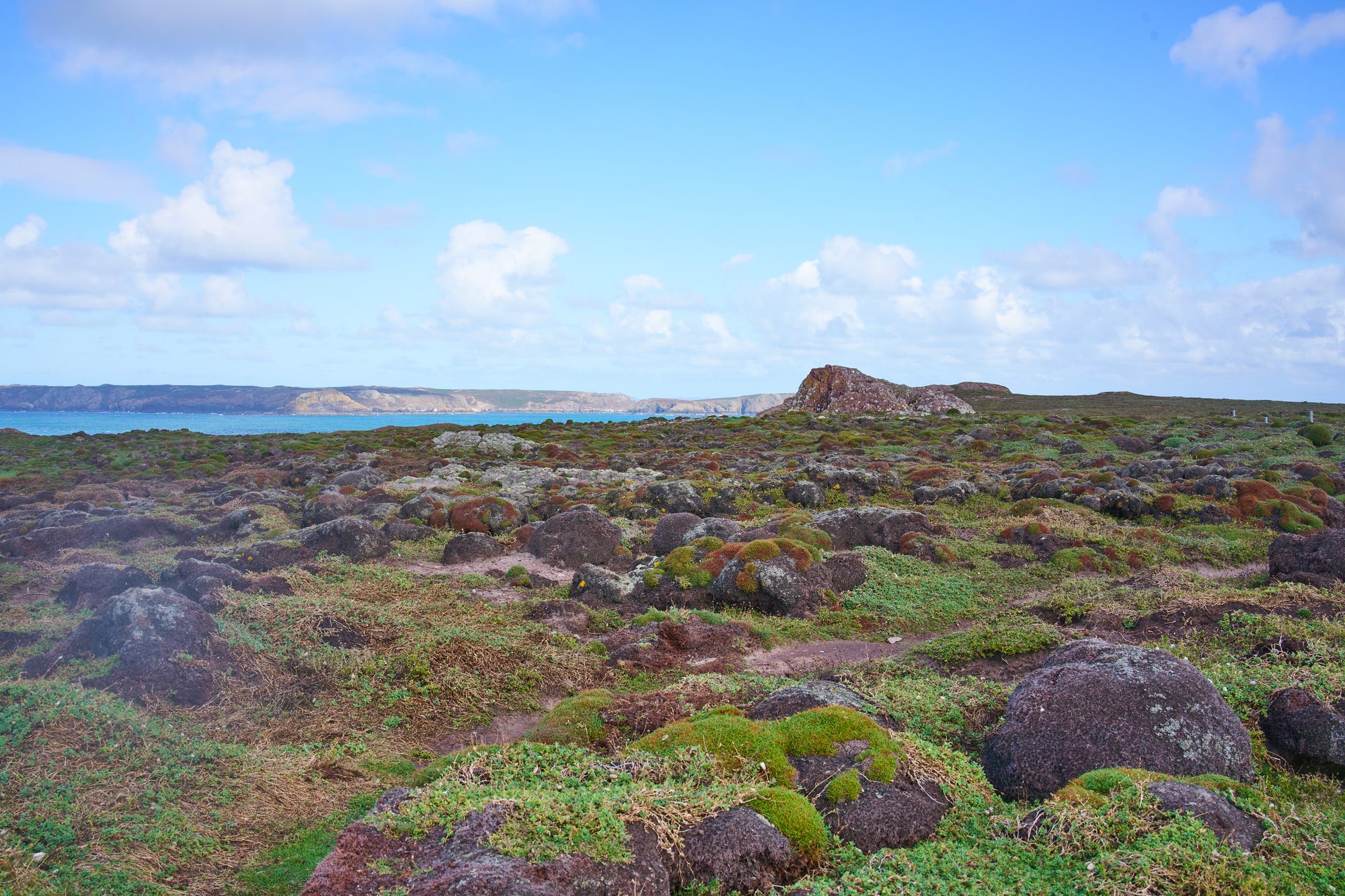
The dark khaki of the bracken covers much of the island, but there are large areas of paler green and what grows here is conditioned by the rabbits. Actual meadow grass is nibbled to the bone, but there are some patches of long coarse grass and undulating mounds of sea campion. The strangest landscape is on the north side where clumps of thrift have over many years turned into a form of peat.
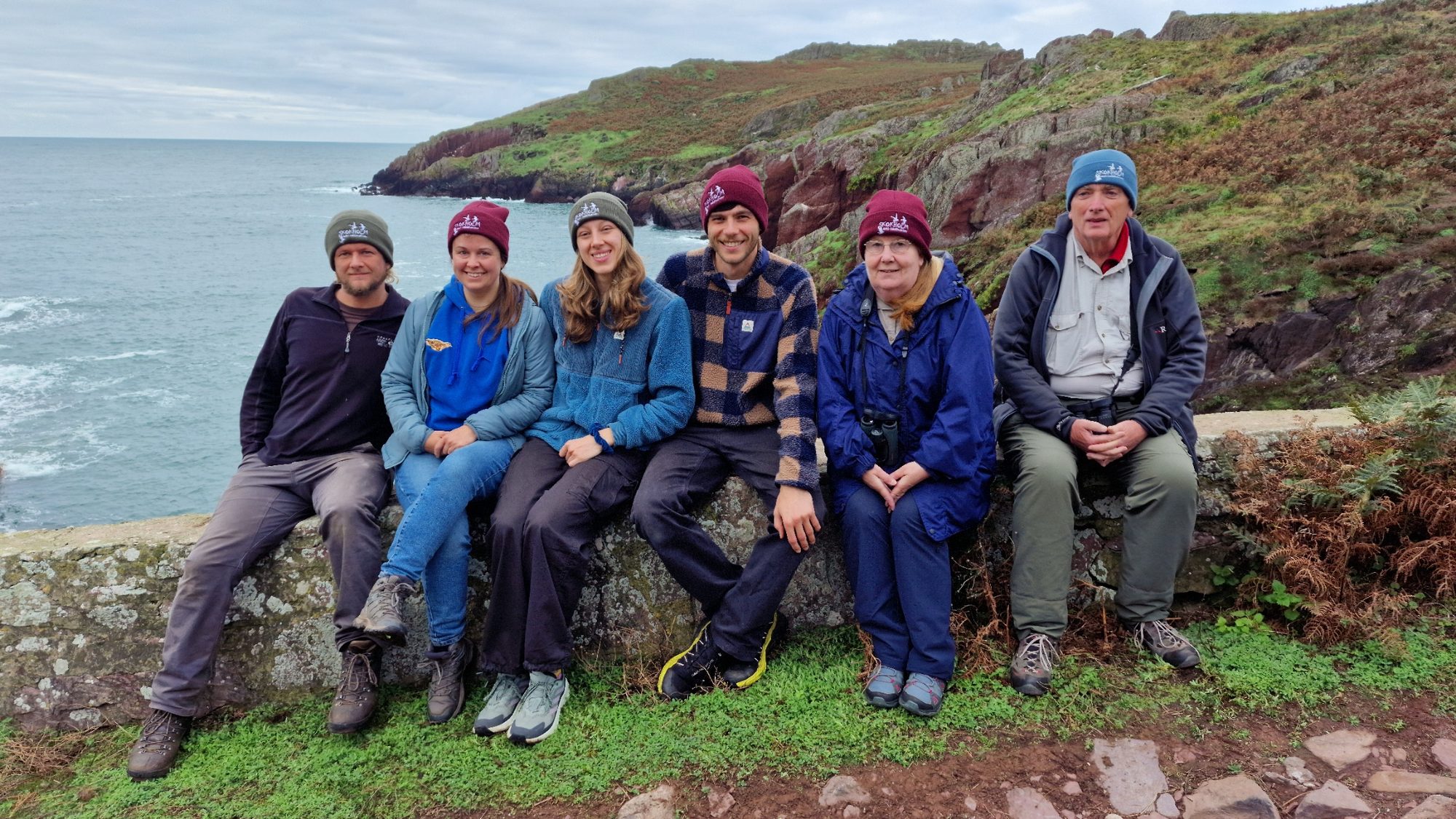
This is a place where biological science meets human eccentricity. A group of 6 bat lovers, with a wide spread of ages, has come to study the bats. There are very few bats on Skokholm and they don’t like high wind or rain – a common weather pattern – so I conclude it is the place itself which brings them here. But then pretty much everyone here is odd in some way. Why else would we all crowd into the little common room to perform the nightly ritual of recording all the birds, animals and insects we have seen. How many Robbins was that? Cabbage White Butterflies? Blackbirds? Rabbits? Visitors and volunteers are in constant flux and what they record is pretty random. Nevertheless they are all noted and join a vast list of daily records going back 15 years. Please don’t ask why.
(Actually do ask. I will attempt an answer in the next post)
Very interesting, Dick, with wonderful pictures.
Thanks. Glad you enjoyed it, but who are you?