William Stanley Jevons did not live in Norwich. He was born in Liverpool, and it was he who developed an idea which became known as the Jevons Paradox. In 1885 he noticed that improvements in the efficiency of coal-powered steam engines in Britain did not reduce coal consumption; instead, coal use increased because the fuel became cheaper and more widely used. A more recent example would be that the faster we can travel the more time we spend travelling. He would though have been amazed to have his theory applied to bicycle hire 141 years later!
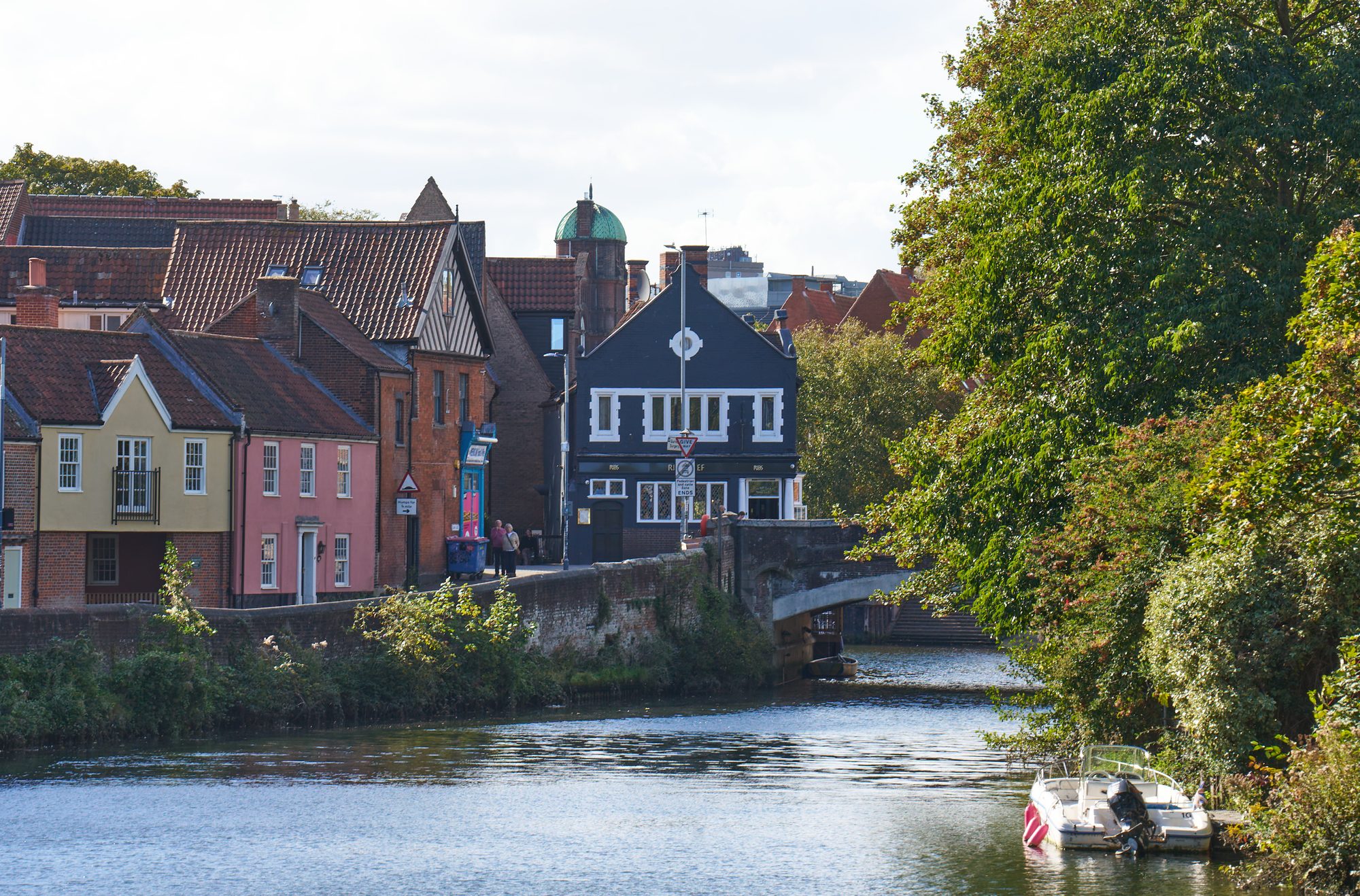
Thelma and I are enjoying a week in this beautiful old city. We came by train which meant I was not allowed to bring my electric folding bike to get around the city and to visit the marshes to the east.
“You can hire a bike when we get there” said the boss.
It turned out that I could not. Electric bikes and scooters are available to hire for short periods only and cannot be taken outside the city without heavy penalty.
“OK, so what has this got to do with the Jevons paradox” you might ask.
I believe this is part of a massive shift in our behaviour which has been facilitated by huge improvements in the power of information technology, some of them as a result of AI. It is now much easier than even 10 years ago for anyone advertising goods or services to find out what their target market is and how to reach them efficiently. You can see the effect in the design of most consumer products – cars for instance. There is a huge range of small design differences between models, but the shape and size is very similar.
This is what is behind the huge increases in tourism to the most popular places in Europe such as Rome and Venice, where there have been big demonstrations against tourists. Demand, particularly in China has grown very rapidly. Sophisticated air traffic control enables more and more people to get to these places, and there is more profit to be made in the tourism industry by going where the big numbers want to go. Another example is Lisbon which we visited last year. There are well-managed crowds everywhere, using their smart-phones to find their way around. Constant streams of people use the automated gates to the underground and the trains.
This is what I think has happened to bike hire in Norwich. Those who want to hire a bike for a few days and get outside the city are too few in number to be worth the effort.
At a more general level I believe the paradox explains why we have been able to continue with business as usual far beyond the point where our resources would otherwise have run out. We knew 20 years ago that to avoid catastrophe we had to reduce our over-use of resources such as fossil fuel, water, minerals and fertile land, but we were so clever at finding more efficient ways to use them that we simply did more of everything: more people, more food, more cars, more roads, more yachts, more planes . . and so onwards and upwards. It’s called economic growth and is still the aim of most elected politicians.
If our thinking brains could over-ride our “chimp brains” the obviously sensible thing to do would be to reduce our consumption. We could still live well because we are so clever at finding ways to use resources more efficiently!