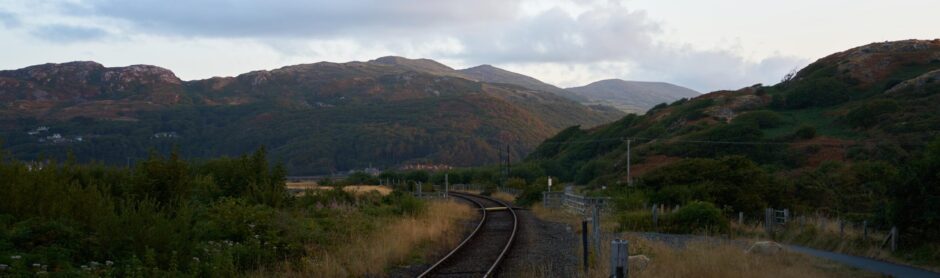
 I’ve just returned from a visit to the Bradford on Avon area in Wiltshire. Having lived in Bath for 10 years I know it quite well. Bath has its areas of deprivation, but seeing all the lovely old stone houses and the beautiful green spaces in and around Bradford with fresh eyes has made me realise how privileged this area is. It can even afford to leave a stretch of the canal to the barge dwellers who have fallen out of the system. Here their old canal boats can live out their days unmolested. When they become too decrepit to live in, there are spaces in the woods along the canal where the boat people can set up home under canvas.


We had a canal barge for a few years. It made a wonderful second home in Bristol, but the price of moorings kept going up and now it is someone else’s first home. It’s a seductive way to live off-grid; a lot less mobile than a motor-home but a life lived in the back-spaces of towns and hidden bits of the countryside. At its best it taps into a more relaxed, more natural life, one less bound by rules and restrictions.


However, as we discovered, these barges need a lot of maintenance. The rain falls on them from above and the canal eats at them from below. It’s not easy to make money if you live off-grid. Some of these people seem to be in a downward spiral of destitution.


Can our society find a way to help them without depriving them of their dignity? Denmark tried with Christiania, now a spruced up tourist attraction. If your life is a deliberate poke in the eye at the values of society as a whole, should you expect it to help you? Perhaps simply turning a blind eye, as Wiltshire seems to have done, is the best policy.
I know Christiania moderately well and it is indeed a tourist attraction but that is not what it’s really about. Leaving aside the drug dealing there is quite a coherent set of shared co-operative values and neighbourhood committees and shops and bars and laundries etc used largely by the residents. The place extends much further than the bits the tourists generally visit. I wouldn’t say the Denmark has done much try to help them – they’ve done that largely by themselves. The main help is indeed by turning a blind eye.
On British canals I’ve seen more than one set of residential moorings where the downward spiral of destitution is only too evident as you have illustrated. To the extent that they can be uncomfortable places to visit. The non-destitute moorings are the ones where the residents have jobs.
Peter
Thanks for this Peter. When I went to Christiania, 5 years ago, much of the site was very smart – a nice park in the middle of Copenhagen, but there was also an off-grid type area which seemed to be doing OK. I wonder if we shall see a lot more destitution in the years to come, and if so how we will deal with it. I hope there will always be a place for people to build their own homes, live in boats, and live off-grid, but within the planning system. It will only lead to conflict if councils “tolerate” illegal activity of any kind.
I could happily live on a boat – life is so much easier to manage when you have limited space!
Pingback: The Best of July - Richard S Turner PhotographyRichard S Turner Photography