I had some interesting feedback on my post about the Green Party. This is a quote from a young man living in a large city who would be happy to be called a socialist.
“While I think it’s good to encourage people to be more responsible about their consumption, the individual’s ‘carbon footprint’ is fairly irrelevant in the face of global capital (indeed the very concept of the carbon footprint was thought up by BP’s PR department as a way of shifting blame away from the corporation’s role in global pollution.)”
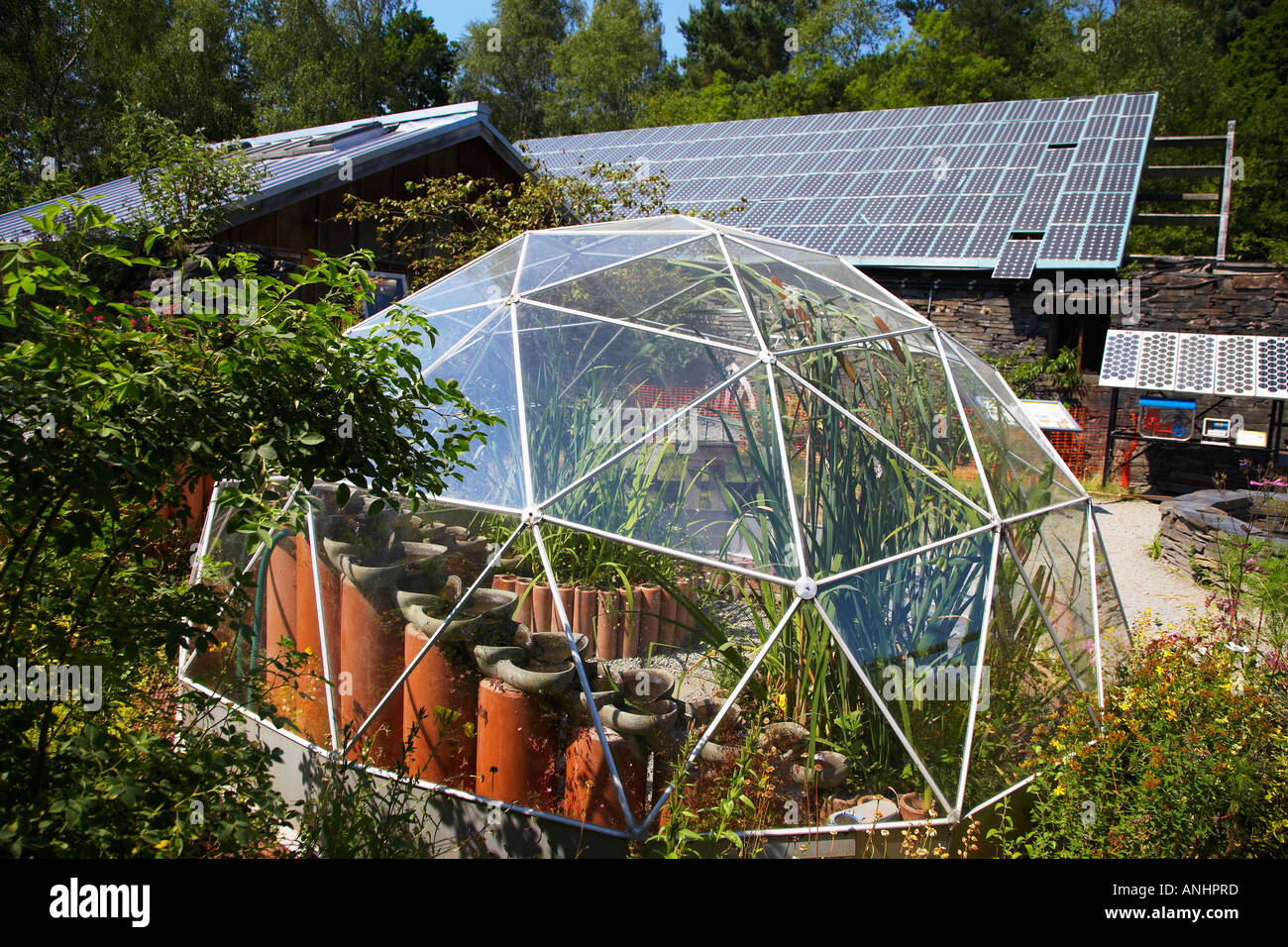
I agree but what I referred to was The Global Footprint Network and that is right at the heart of what Green politics is about. However, there is something about the idea of sustainable living that attracts people variously described as “alternative” “crusties”, “hippies” or “the loony left” and the really important issues get sidetracked. In the late 70s at the invitation of Satish Kumar, the editor of “Resurgence” magazine, I attended a meeting in Red Lion Square in London. It was called by, among others, Gerard Morgan-Grenville, the founder of the Centre for Alternative Technology near Machynlleth (see above), to debate the formation of a cross-party alliance of senior figures concerned about the environment, including the Ecology Party, which later became the Green Party. I remember the indigestible vegetarian lunch and various loonies who tried to hijack the meeting with sectarian agendas.
Our central concern then and now was and is the damage being done by industrialisation to the ecology of the world, in particular the unsustainable use of fossil fuels. We expected fossil fuel use to decline dramatically as it became harder to exploit. The opposite has happened, and the threat to our future is far worse than it appeared then, so the need to shout about these core issues is ever more urgent.
The point about the GF Network is that it measures what they call the “biocapacity” of each country, defined as the ecosystem’s capacity to produce biological materials used by its people and to absorb waste material generated by them. They provide statistics to show which countries use more resources than their “biocapacity” and so are in overshoot, and those like Russia and many third world countries which use less. The biocapacity of an area represents its ability to renew what people demand. The whole world currently uses around 1.7 times what it can regenerate each year.
So what policies should Green politics adopt now? Things are much more difficult now than they were in the 70s. Thanks to Neo-liberalism we now live in a globalised world where power has moved away from individual governments to the big corporations and their friends in government. We also live in a world which is vastly more wealthy and in much more danger of ecological disasters – global heating being at the top of the agenda but closely followed by shortages of fresh water and fertile land, plus flooding and pollution. These are problems no individual country can solve, but each sovereign state can set an example and negotiate global solutions with other states.
The first issue is one which chimes with Socialism: equality of opportunity for all. The Marxist rallying cry was “to each according to his needs, from each according to his ability.” At present our precarious prosperity depends on the operation of a system of supply heavily rigged in favour of the most powerful and wealthy in our societies, so we would agree that changing this has to be a priority. However, green politics has always been about ecology, whereas socialism has always been about the workers versus the capitalists. The Soviet Union gave more power to the workers but it did nothing to stop the destruction of the environment.
Radical politics of all kinds is always in danger of throwing out the baby with the (polluted) bathwater.
Globalisation and the scientific revolution have made our lives longer, healthier and much more convenient. We are in many ways more liberal now – much more ready to accept different attitudes to religion, gender and disability; we are more inclusive. However, the scale of the threat to the future of our species and many others is so big that these issues should not be at the forefront of Green politics.
OK, so what should a proper Green Party government legislate for? Watch this space.