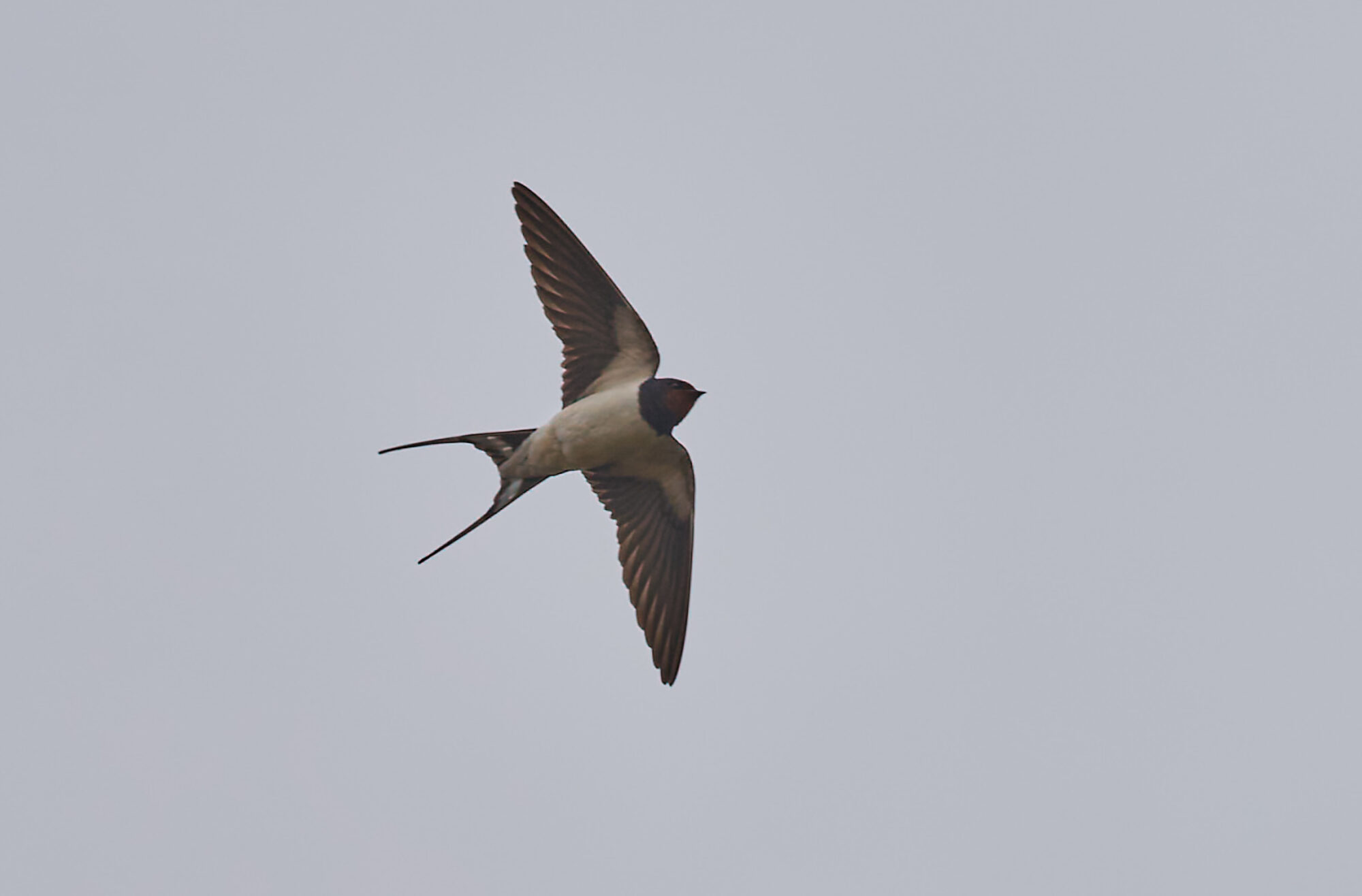
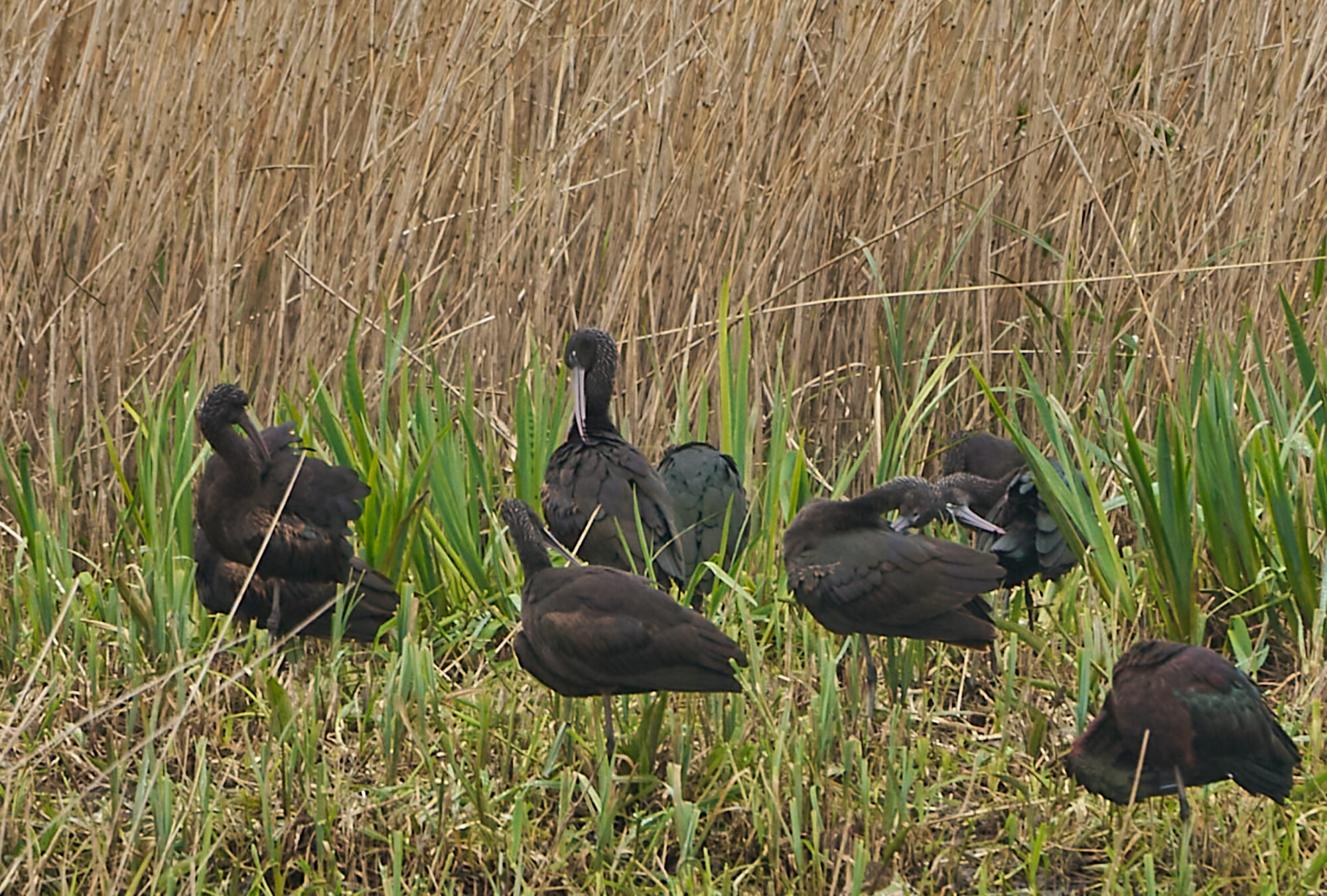
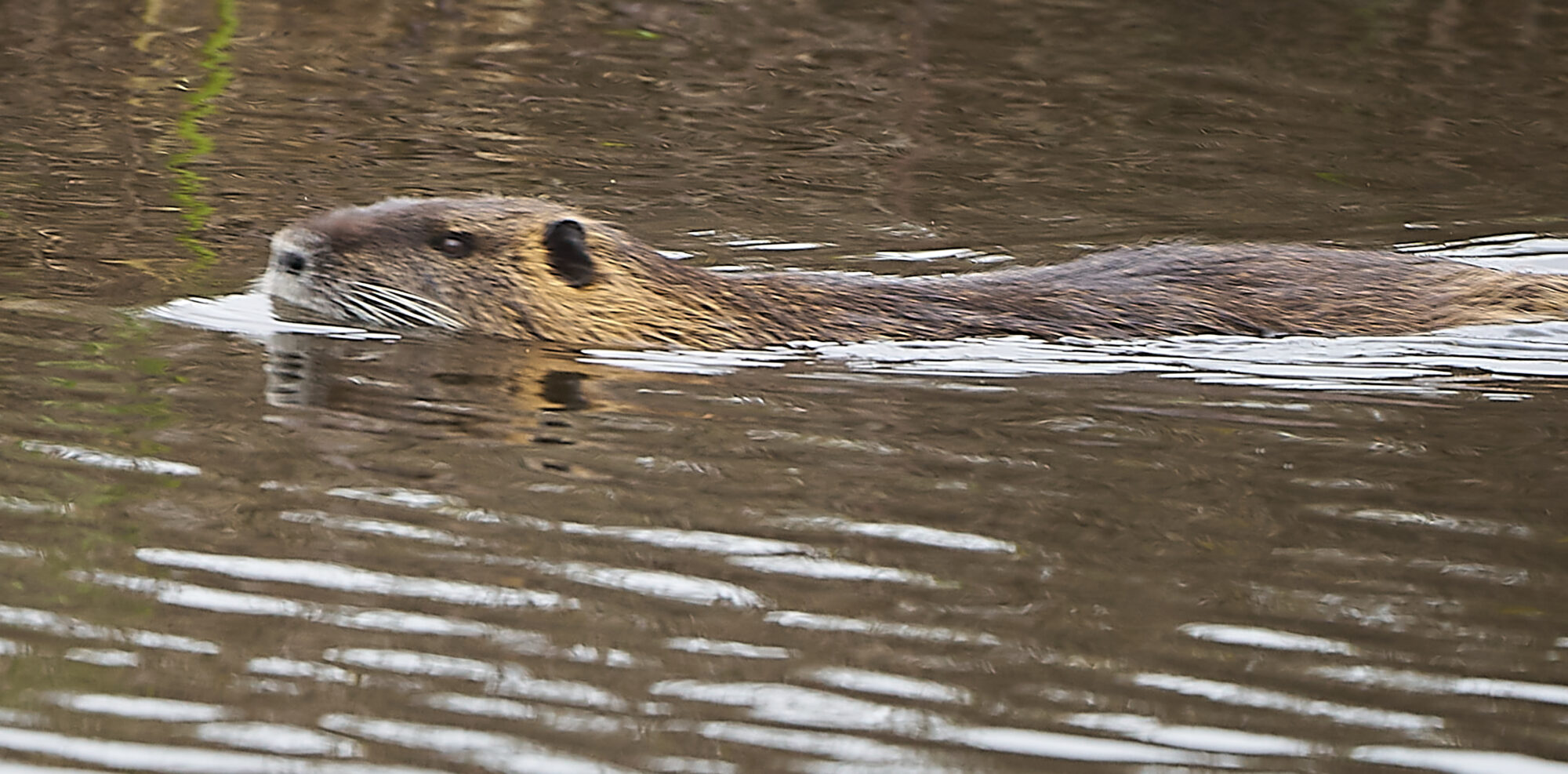
Though my means of getting here – a small Romahome camper – is hard work to manage, it gives me the chance to revisit some of my favourite places in the Calvados area of Normandy. The lavish welcome centre at the Cotentin marshes is shut until April fool’s day, but the path to the Observatory is open. I was last here 3 years ago and the dynamic land-to-water area is very different, but there are some nice birds here – the first Swallow of the year, some waders, these Glossy Ibis having a good preen, and no lack of the not so nice coypu.
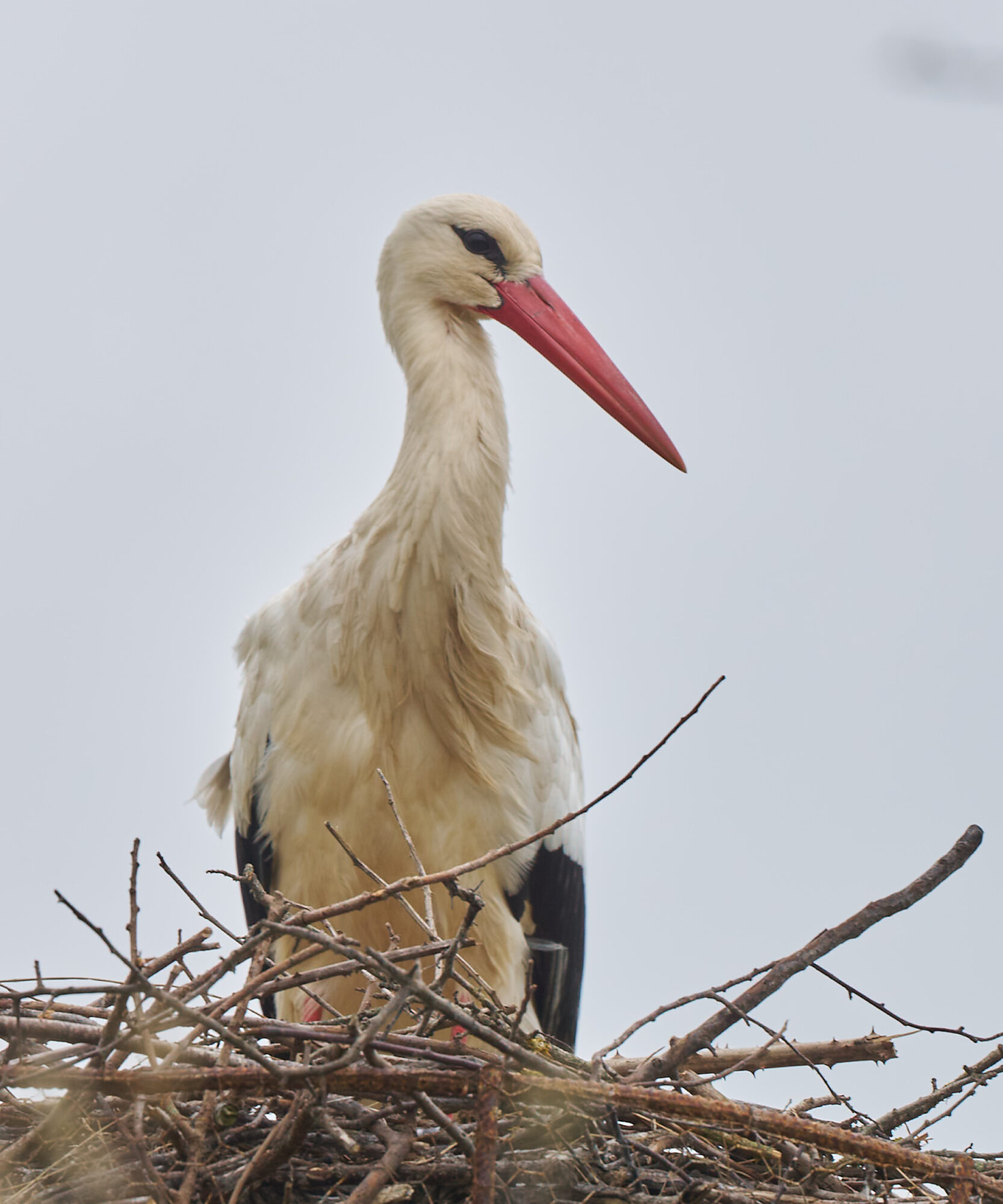
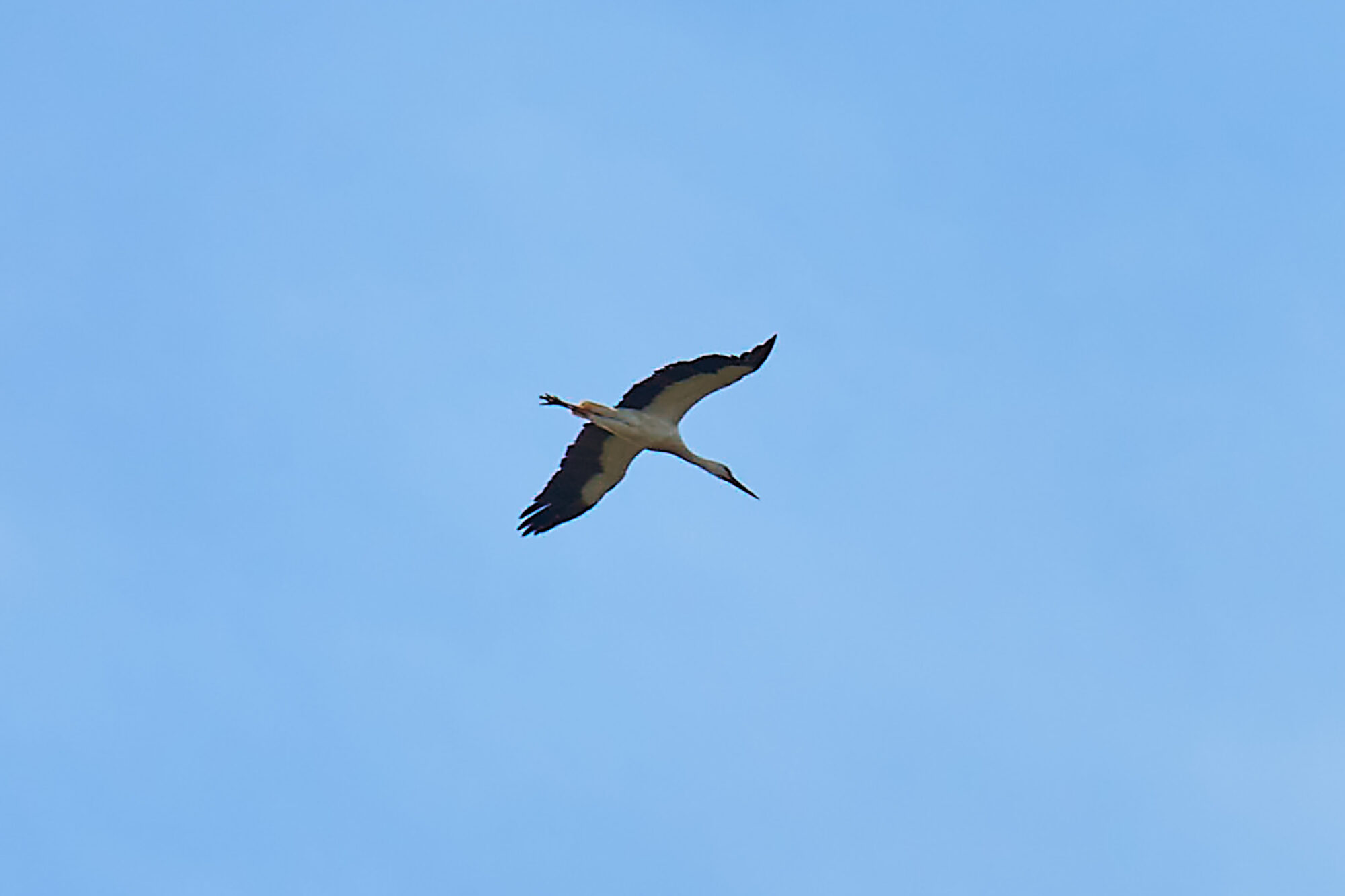
There is one special bird here that the is still an exotic recent addition to the British bird list, but it’s quite common in France, has little fear of humans and very conspicuous nests, one of which is at the top: The White Stork.
I had intended to spend longer wandering through the marshland in the cool sunshine but that’s not how you access natural areas in France. Reserves tend to be closed to casual visitors – you have to book a tour, something I avoid. I spent a long time looking for somewhere shown on the map as “Nature Reserve of Mathon Bog” though the French word for bog is the much more pleasant sounding “tourbiere.” Eventually I found a little parking place in the back streets of Lessay dedicated to the reserve. There was a wooden gate with a big exciting looking area of wild land beyond it, but it was locked and a notice gave a number to book a tour. Although it doesn’t suit me, this is arguably a better way to manage reserves than many of ours which are plagued by dog walkers and, it must be admitted, sometimes by too many of us photographers.
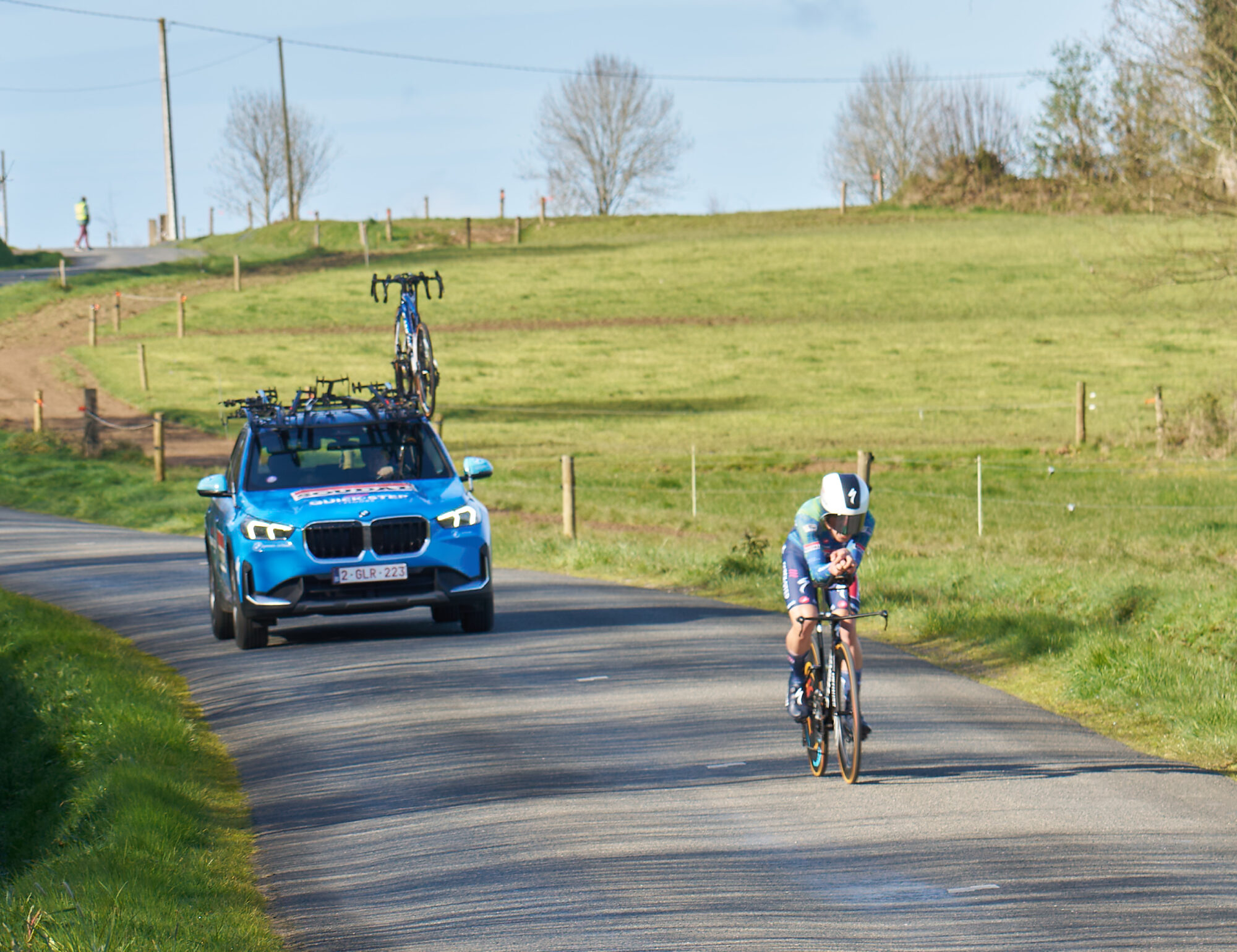
So, with the van proving hard to manage overnight I gave up and headed for La Bruyere, my daughter’s house 2 hours to the south. When I got there I found it was a marshalling point on a big bicycle race. To someone not involved in cycle racing the riders are a strange sight: hands clasped in prayer, helmeted like aliens, visored like welders and dressed in technicolour underwear! Everything is honed to speed and to their dedication to extending the limits of what our bodies can do.
The bicycle is a wonderful invention. Without using any fuel, simply by the use of clever mechanics, it enables our muscles to do a lot more “work” than walking or running can achieve. It has enabled many people in the poorest parts of the world to achieve far more than they could walking – it can be the first rung of the ladder out of poverty. It is also one of the best examples of “alternative technology” – tools and devices which achieve more output without increasing the input of energy. The same applies to the electric bike. The small input of battery power delivers a great deal more output than it would in, for example a heating element. The typical modern car is the opposite: a massively heavy device using large amounts of fuel to transport usually just one person at great speed.
From the perspective of sustainability there is a big snag with this race. It is controlled by large numbers of marshals who arrive in cars and vans. In front of each rider or group of riders is a motorcyclist and behind each rider is a car with a spare bike. This, of course, is nothing to do with cycling as efficient transport, it is about competition between athletes to win a race. What it costs in terms of fuel used is irrelevant.
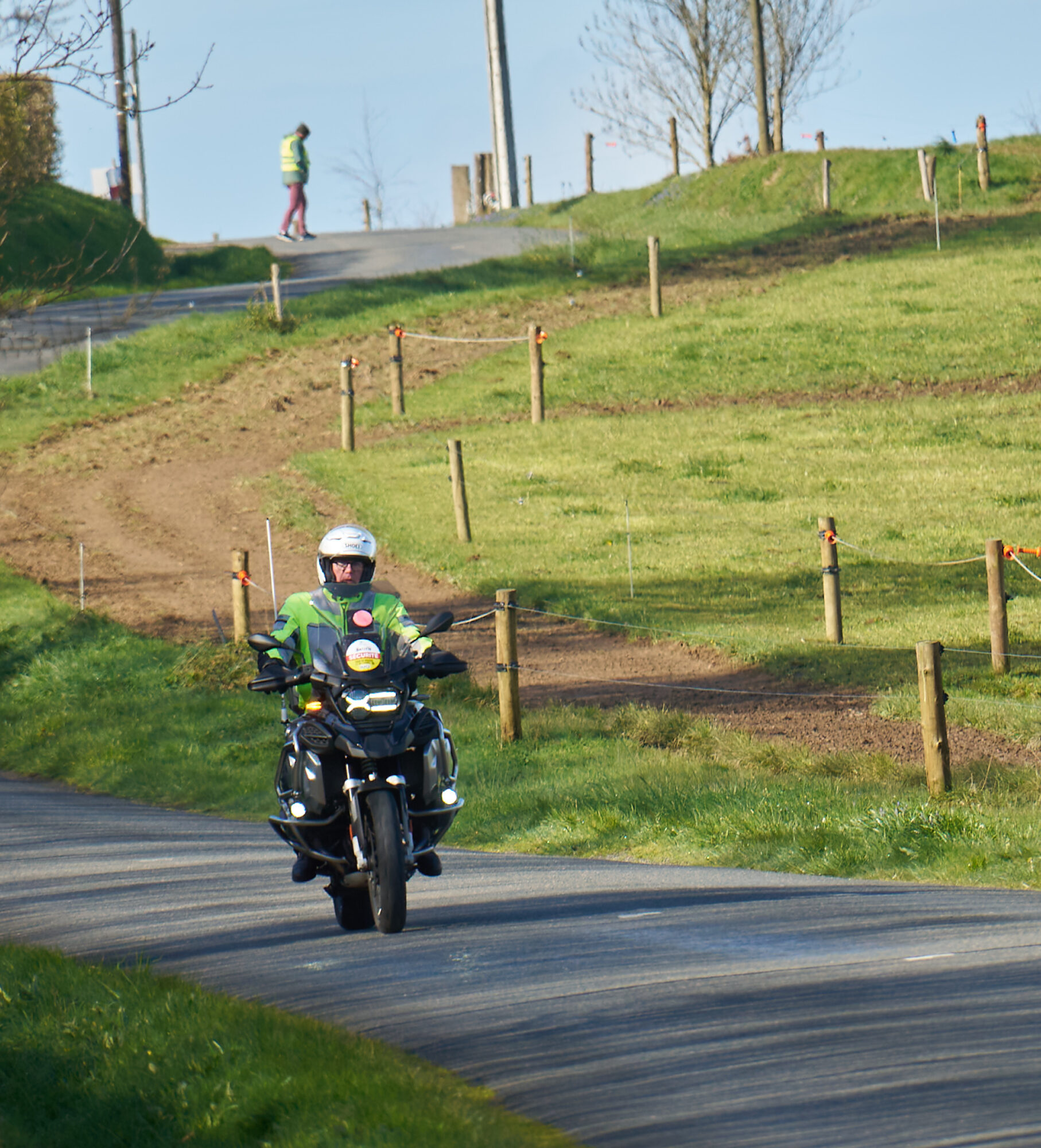
It’s not to me. As a committed environmentalist I have no hesitation in criticising motor racing. It is an outrageous waste of fuel and resources and should be banned. If we are really trying to reduce our use of fossil fuel to save some future for our grandchildren shouldn’t all types of entertainment which use fossil fuel be banned? That would include many things I love such as electronic music and campervans, but in a sensible fair world, until we have enough truly sustainable power and sustainable supplies of food and water, should we not be willing, together, to find less wasteful pleasures?
Dream on!