
I’m looking at double page spread in the glossy magazine “Abersoch Life”. It is an advertisement by a company called “Ideal Boat”, and they have five more whole-page colour ads in the magazine and a double page “feature”. This first double page, headlined “Timeless Performance” is extolling the virtues of a power boat called “Saxdor 320 GTC starting price £142,584.” It has a cabin with white leather upholstery and a small kitchen, called a “wetbar”. There are no bunks. On the open deck at the back are beautiful young women in white with an older man handing them glasses of champagne.
We are staying at the end of a small terrace of old cottages in the harbour. The end two have been knocked together to create “Compass Cottage”, a house which can sleep 8 and is on sale for £1.8 million. There are 4 luxurious sofas in the large living room which has picture windows looking in one direction out to the long sandy beach (see above) and the other onto the tidal creek which forms the harbour.
That inward view, which in the early 20th century would have been of fishing boats, changed, according to Wikipedia, after the boom in tourism in the 1950s. Pictures from mid-century show a dozen or so sailing dinghies moored in the harbour. Now there are around 35 power boats crammed into the small area to our left (first picture) and another 30 or so on the other side of the creek. When the tide is right a small fleet of specialist tractors pull these boats and their owners out to sea. They slide off the trailer, the two huge outboard motors are lowered, the prow lifts and they ride smoothly out until it’s safe to let rip.
All around the harbour and out along the cliffs – in fact anywhere in the village with a view of water -are fabulous houses with picture windows and balconies. One of these on the cliff is currently for sale for £2.5 million. The only other property on Zoopla with a view of water is an old boat house – just that – for £250,000. With a few exceptions these houses do not appear to be lived in permanently.
There is another side to the tourist industry in the village – the huge beach to the east with its shallow bay, its surfers, surfboarders, jet skiers and – Welsh weather permitting, – sunbathers. Almost certainly I am missing much of the life of the community here, but sometimes the outsider can see things which the insider doesn’t notice – an accumulation of small events over time seems normal.
How is it possible that we have so corrupted our way of life that the fabulously wealthy (mostly of course from England) can take over the centre of a Welsh village so that they can spend their leisure time and vast amounts of fossil fuel, dashing around on the water for fun? How do the local people who service the tourist industry manage to live in a place where an ordinary 1960s end of terrace is £350,000?

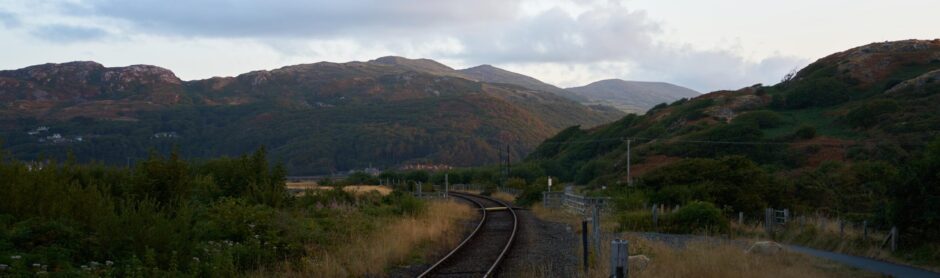
The magazine also has a feature on local flora and fauna. It extols the beauty and abundance of the Llyn Peninsula, and the little I have seen of it so far looks fascinating. Above is Morfa Nefyn on the North coast.

The harbour is small and busy, so not as rich in bird life as, for example Laugharne which is not a beach resort. Charlie the Herring Gull comes each day to be fed. The House Martins are busy collecting mud when the tide goes out. There are half a dozen resident Oystercatchers, seven Mallard Ducklings, two Little Egrets and an interesting solitary wasp busy bringing cut leaves into a hole under the terrace.


I was also able to watch a pair of Carrion Crows “anting”. They peck at an ants nest and then crouch over it so that the ants can get into their feathers. This can have many benefits from the reduction of parasites to a drug-like effect of the ants’ secretions. What seems obvious is that the birds enjoy it, even performing a little sort of dance together, so I go for the drug theory!